Newsletter Subscribe
Enter your email address below and subscribe to our newsletter

 ByJohn A
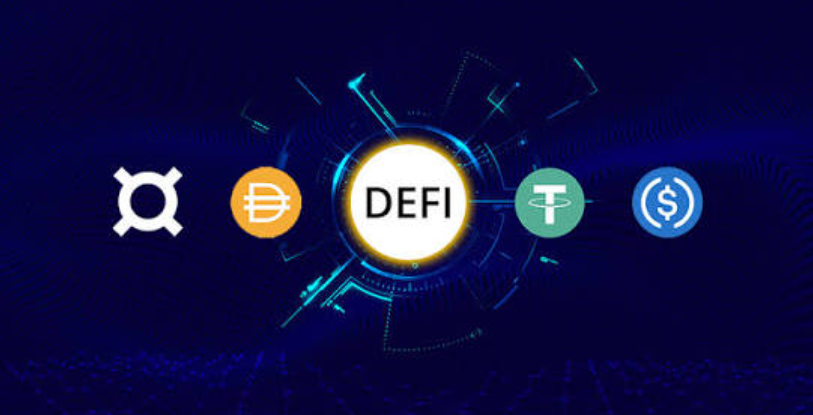
Stablecoins anchor DeFi liquidity and provide a stable unit of account across protocols. Their value hinges on transparent risk management, governance, and regulatory alignment. A data-driven approach—stress tests, audits, dynamic incentives—helps assess resilience and optimize capital flows. As protocols rely on predictable stability for collateral and funding, the trade-offs between freedom and accountability become pivotal. The landscape invites scrutiny of models, incentives, and enforcement, leaving important questions unresolved for those pursuing robust, resilient systems.
Stablecoins are digital assets designed to maintain a stable value relative to a reference asset, typically a fiat currency like the U.S. dollar, and they play a central role in DeFi by enabling predictable pricing, collateralized borrowing, and efficient liquidity management.
The field analyzes stablecoin minting mechanisms and price pegs, emphasizing risk controls, transparency, and policy-aligned resilience for freedom-loving markets.
Liquidity and capital efficiency in DeFi are heavily shaped by stablecoins’ ability to provide predictable, on-chain settlement, collateral, and funding flows across protocols.
This creates measurable liquidity access and capital efficiency across pools, lending, and collateralization, enabling smoother arbitrage and risk transfer.
Data indicates stablecoins liquidity supports tighter spreads, while capital efficiency hinges on collateral reuse, funding cadence, and cross-chain interoperability.
The discussion shifts from how stablecoins underpin liquidity and capital efficiency to a focused assessment of their risk profile, transparency, and regulatory exposure. The analysis maps volatility misconceptions, governance gaps, and collateral opacity, highlighting cross‑border supervisory disparities and disclosure gaps. Data-driven metrics, stress tests, and governance audits illuminate resilience, while policy options emphasize clear standards, accountability, and proportional regulatory oversight for freedom‑maring markets.
Evaluating and using stablecoins in DeFi requires a structured, data-driven approach that translates complex risk profiles into actionable, policy-relevant guidance.
The guide emphasizes transparent metrics, stress-testing, and cost-benefit analysis to inform decisions on stablecoins adoption and liquidity provisioning.
Governance frameworks should align incentives with resilience, ensuring audits, crisis response, and stakeholder accountability without compromising user freedom.
See also: The Role of AI in Media Generation
Stablecoins anchor DeFi by delivering predictable value, enabling automated funding flows and cross-protocol liquidity. A data-driven, risk-aware lens shows that resilience depends on transparent reserves, robust governance, and rigorous stress testing, aligned with evolving regulation. When properly managed, stablecoins can sharpen capital efficiency and reduce systemic friction; when opaque or under-governed, they amplify liquidity and settlement risks. Like a vital infrastructure layer, disciplined oversight and real-time metrics are essential to sustain safe, scalable DeFi activity.